FOG & MEMS
FOG: high accuracy, shock-resistant. MEMS: compact, low-cost. Accuracy: 0.002–1.0°/h.
High Accuracy & Reliability
Digital closed-loop. Hermetically sealed. Vibration/shock resistant. For missile, airborne, vehicle, marine.
Customizable
Custom size, interface, accuracy. Integration with accelerometers for combined navigation.
Application Scenarios
Autonomous Driving & High-Precision Positioning

MEMS gyroscopes provide high-precision attitude sensing and dead reckoning for autonomous vehicles. Combined with GNSS/IMU navigation systems, ensuring continuous accurate positioning in GPS-denied areas.
Learn MoreMarine Navigation & Attitude Reference

FOG-based gyrocompasses replace traditional mechanical gyrocompasses, providing heading, pitch, and roll information. Solid-state, maintenance-free, and class-approved.
Learn MoreUAV & Flight Control
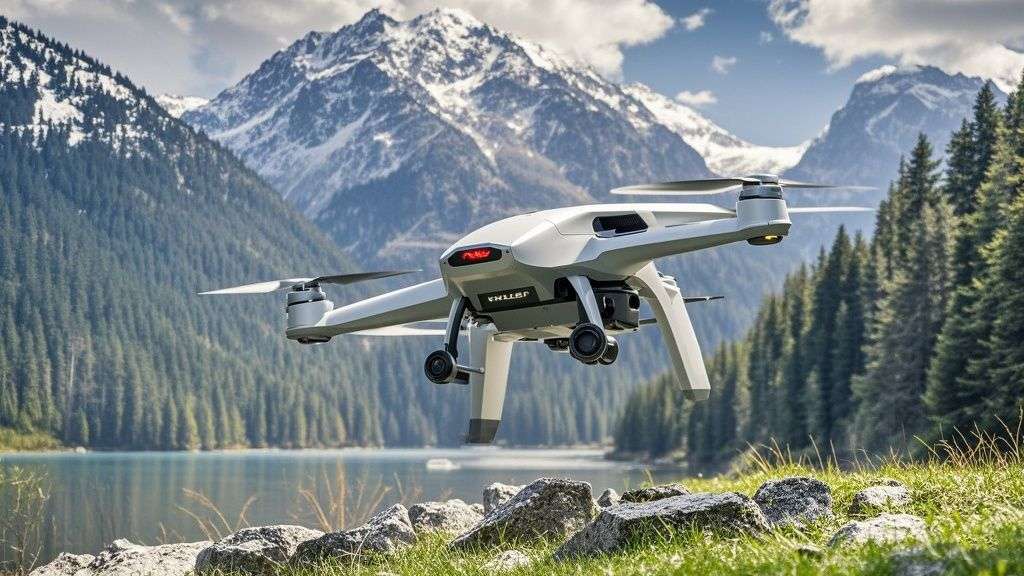
FOG and MEMS gyroscopes provide high-precision attitude reference and dead reckoning for UAVs, ensuring stable flight even in GPS-denied environments
Learn MoreMining & Underground Tunneling Navigation
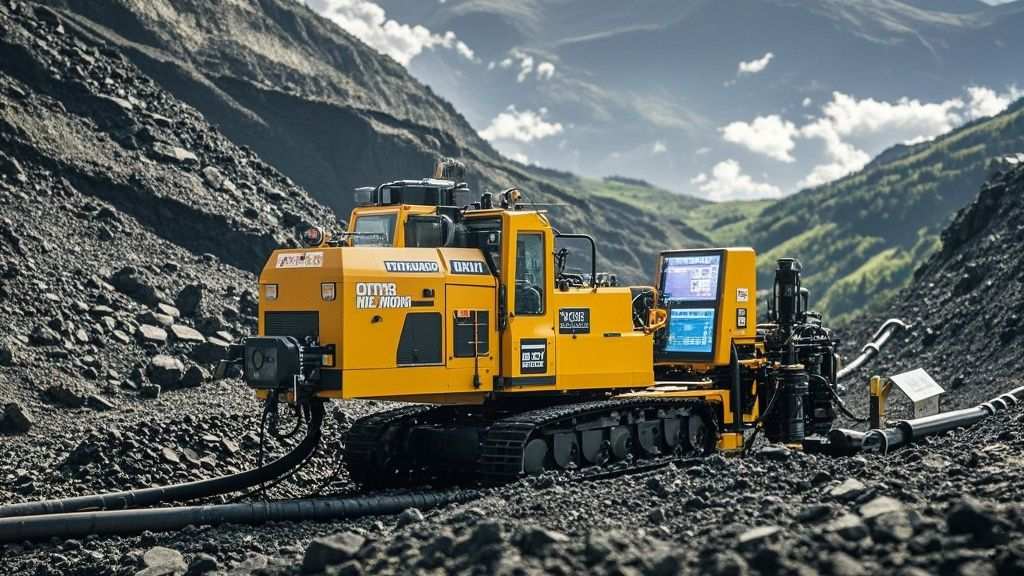
The north finder provides autonomous orientation and attitude measurement for tunneling machines, continuous miners, and mining AGVs, without being affected by strong magnetic interference underground, achieving precise tunnel excavation.
Learn MoreOil & Gas Directional Drilling

MEMS gyro directional modules are used in MWD and LWD systems, providing real-time wellbore azimuth, toolface angle, and inclination in high-temperature, high-vibration downhole environments.
Learn MoreHigh-Speed Railway Track Inspection
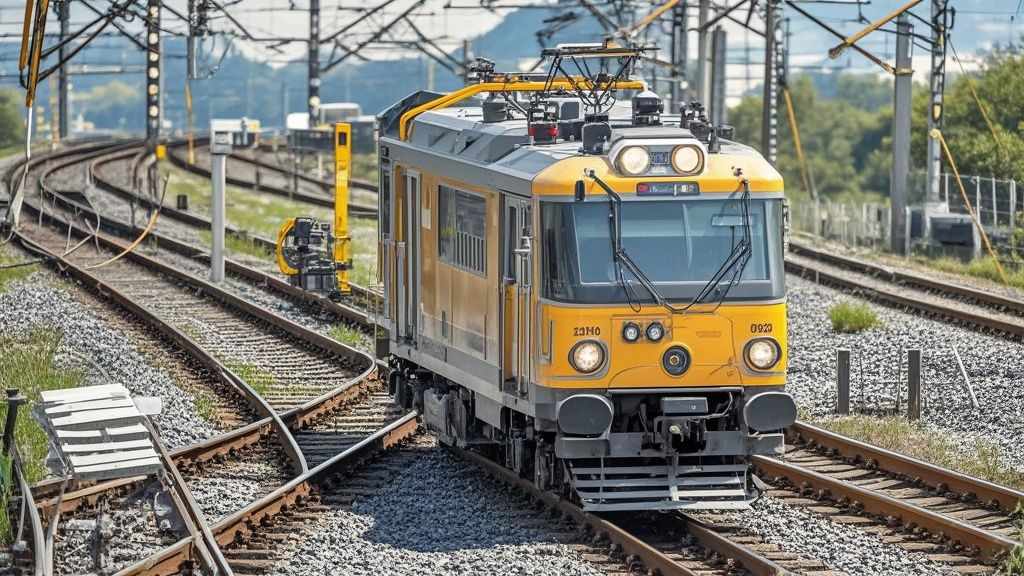
FOG-based strapdown inertial measurement systems are the core of track inspection vehicles, measuring gauge, alignment, and slope in real time to ensure high-speed train safety.
Learn MoreFiber optic gyroscope
Series- • Full digital closed-loop working mode
- • All-solid-state, long life
- • Large dynamic range, high bandwidth
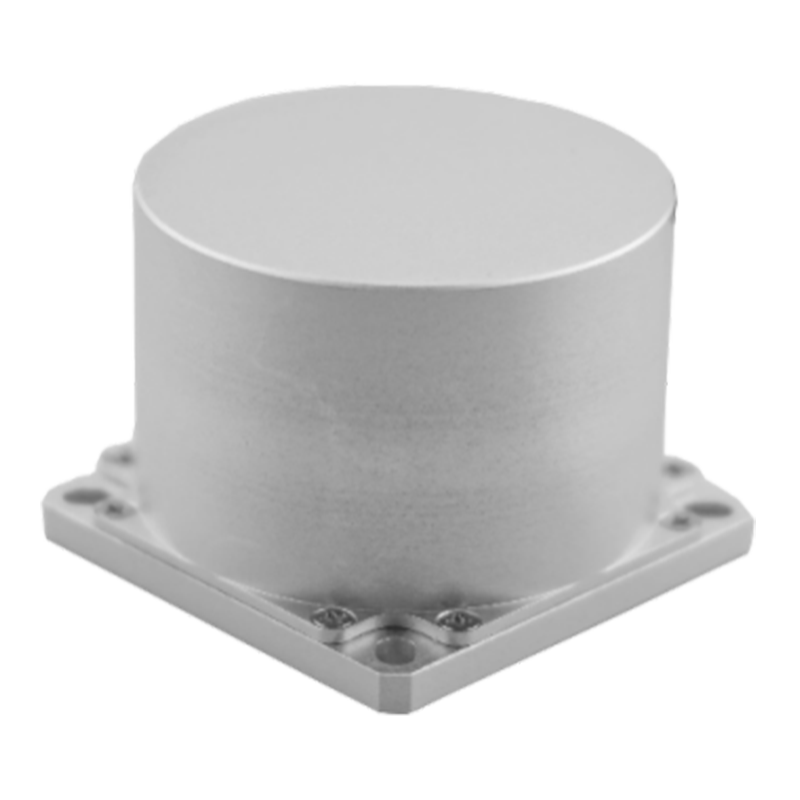 UGTP300 series fiber optic gyroscope
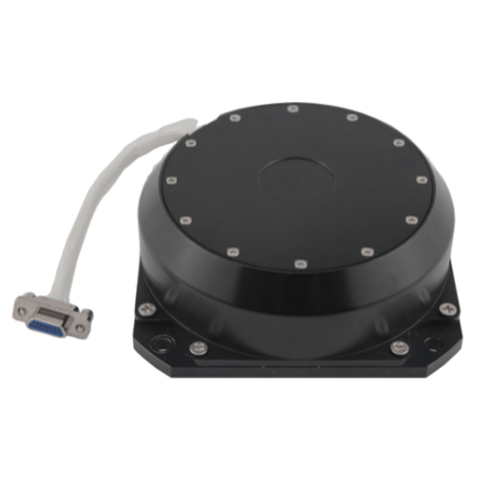 UGTP1000 series fiber optic gyroscope
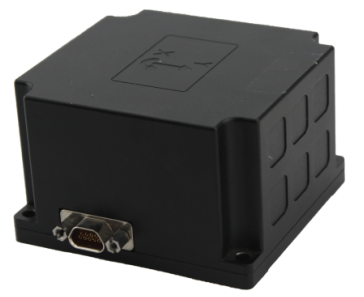 UGTPD300 series dual-axis fiber optic gyroscope
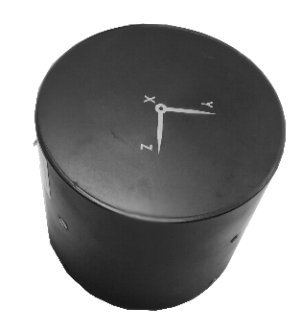 UGTPT300 series three-axis fiber optic gyroscope
Inertial measurement unit
Series- • Ultra-compact, lightweight
- • Medium to high precision
- • Wide measurement range
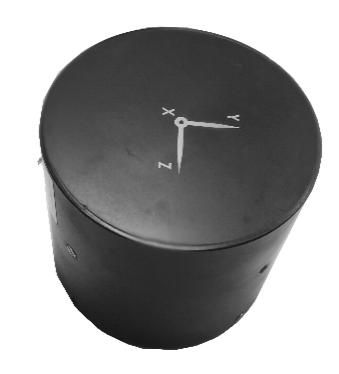 UGTU300 series fiber optic gyroscope IMU
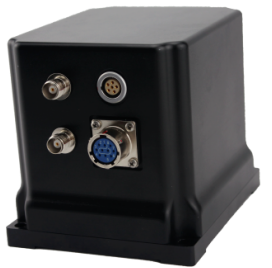 UGTU400 series fiber optic gyroscope IMU
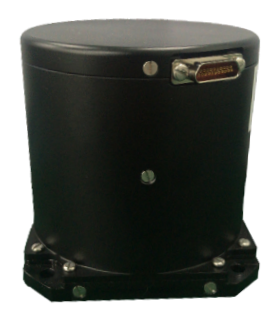 UGTU500 series fiber optic gyroscope IMU
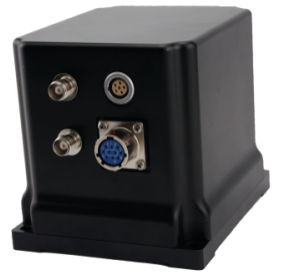 UGTU700 series fiber optic gyroscope IMU
Inertial navigation system
Series- • GNSS/INS integrated navigation
- • High precision north-seeking
- • Attitude/azimuth holding
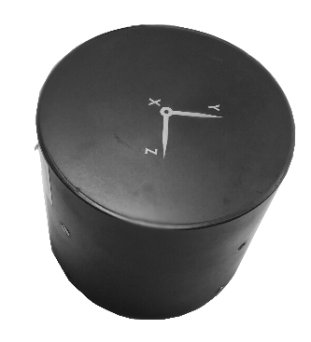 UGTS300 series fiber optic GNSS/INS integrated navigation system
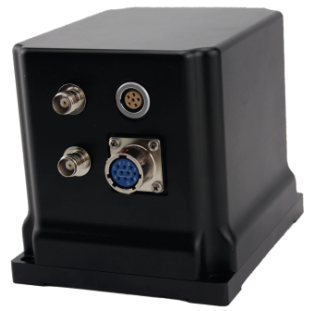 UGTS400 series fiber optic GNSS/INS integrated navigation system
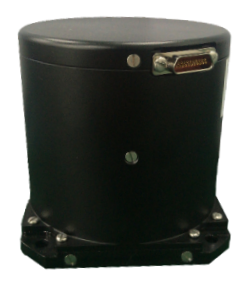 UGTS500 series fiber optic GNSS/INS integrated navigation system
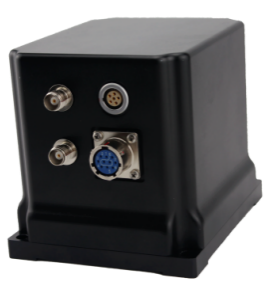 UGTS700 series fiber optic GNSS/INS integrated navigation system
MEMS gyroscope
Series- • Excellent gyro performance
- • Can replace medium to low precision FOG
- • Outstanding vibration and shock resistance
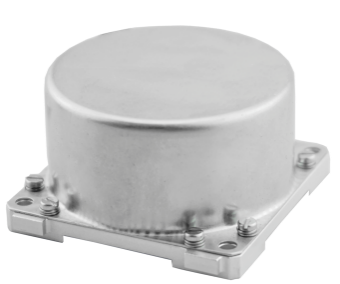 UGTMT200 series three-axis MEMS gyroscope
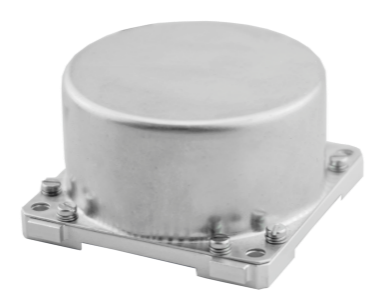 UGTM200 series MEMS inertial measurement unit
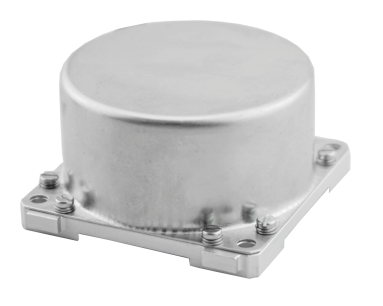 UGTM300 series integrated MEMS inertial measurement system
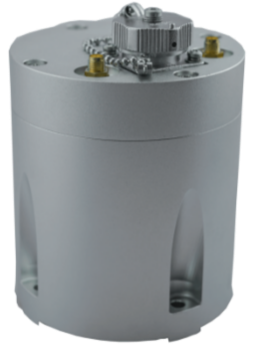 UGTMF200 series fiber optic MEMS integrated inertial measurement system
Solution
Gyroscope: Attitude control and flight navigation solution for unmanned aerial vehicles
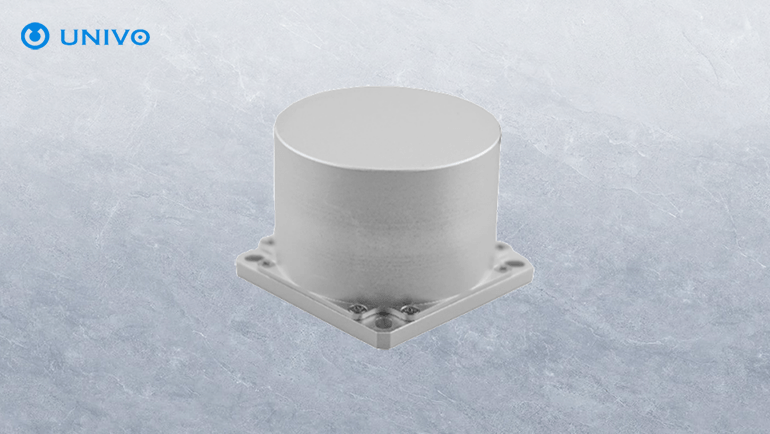
- During flight, unmanned aerial vehicles need to perceive their attitude angles (roll, pitch, yaw) and angular velocities in real time to achieve stable flight control and autonomous navigation. As a core inertial sensor, the gyroscope measures the angular rotation rate of the vehicle around each axis, providing critical dynamic information to the flight control system. Combined with data fusion from accelerometers and magnetometers, the gyroscope can construct a complete attitude reference system, ensuring flight safety and mission accuracy under various maneuvering conditions.
- The application of gyroscopes in UAVs is primarily based on their ability to precisely measure angular motion. MEMS gyroscopes have become the mainstream choice for small and medium-sized UAVs due to their small size, low power consumption, and high reliability. Tactical-grade fiber optic gyroscopes, with their low drift and high stability, are applied to long-endurance, high-precision UAV platforms. The specific applications are described below from three perspectives: flight attitude stabilization control, autonomous navigation and heading maintenance, and gimbal stabilization and payload pointing.
- Specific scheme
- Flight attitude stabilization control
- During flight, UAVs are susceptible to attitude deviations caused by airflow disturbances, center of gravity shifts, and asymmetries in the power system. The gyroscope measures the triaxial angular velocities of the vehicle in real time. The flight control system compares the measured values with the desired values, calculates corrections for each motor or control surface through a PID controller, and dynamically adjusts the attitude angles to maintain the preset roll, pitch, and yaw angles. This solution is the foundation for UAVs to achieve hovering, constant-speed flight, and acrobatic maneuvers, directly determining flight stability and handling quality. It is applicable to various UAV platforms including multi-rotor, fixed-wing, and vertical takeoff and landing types.
- Autonomous navigation and heading maintenance
- In environments such as indoors, canyons, and forests where GPS signals are interfered with or lost, UAVs need to rely on inertial navigation for dead reckoning. The gyroscope continuously measures the rate of change of heading angle. Combined with velocity increments from accelerometers, the flight control system can calculate the UAV's position and velocity in real time to achieve autonomous navigation. During long-range cruise missions, the gyroscope output is used to correct heading drift, ensuring that the UAV follows the predetermined flight path. This solution is widely used in UAV operation scenarios such as mapping, inspection, and search and rescue that require highly reliable navigation.
- Gimbal stabilization and payload pointing
- The cameras, LiDAR, or multi-spectral sensors carried by UAVs have strict requirements for pointing stability. The three-axis gimbal detects the angular motion of the carrier through built-in gyroscopes and drives motors for reverse compensation, isolating the influence of vehicle attitude changes on the payload, so that the sensor always points toward the target direction. In aerial photogrammetry, the gyro-stabilized gimbal ensures image overlap and imaging quality. In target tracking applications, the gimbal gyroscope works with vision algorithms to achieve high-precision aiming. This solution significantly improves the operational effectiveness of UAV payloads and the usability of collected data.
- Conclusion
- Gyroscopes play a triple role in UAVs: attitude sensing, heading maintenance, and payload stabilization. In terms of attitude control, gyroscopes provide angular velocity feedback to the flight control system, enabling precise flight attitude adjustment. In terms of autonomous navigation, gyroscopes support inertial dead reckoning, ensuring continuous navigation in GPS-denied environments. In terms of gimbal stabilization, gyroscopes compensate for vehicle vibration and swing, ensuring pointing accuracy of mission payloads. The application of gyroscopes has upgraded UAVs from simple remote-controlled aircraft to intelligent operation platforms with autonomous flight capabilities.
Gyroscope: Heading reference and attitude stabilization solution for marine navigation
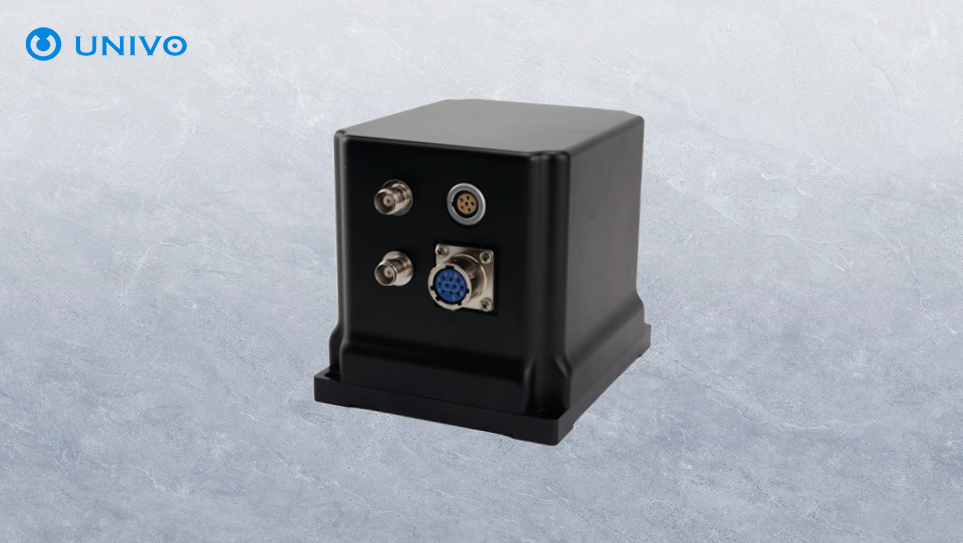
- During navigation at sea, ships require precise heading and attitude information to ensure route safety, navigation economy, and proper operation of onboard equipment. As a core inertial instrument, the gyroscope provides heading angles and pitch/roll angles independent of external references, making it an indispensable component of ship navigation systems. Compared with traditional magnetic compasses, the gyrocompass is unaffected by the Earth's magnetic field and ship magnetization, offering higher pointing accuracy, especially suitable for high-latitude areas and electromagnetic interference environments.
- The application of gyroscopes on ships covers a wide range from pointing navigation to motion compensation. Platform compasses provide high-precision geographic heading, while rate gyroscopes are used to detect the ship's angular motion. The specific applications are described below from three perspectives: heading maintenance and automatic steering, hull attitude monitoring and roll stabilization control, and motion compensation for onboard equipment.
- Specific scheme
- Heading maintenance and automatic steering
- During navigation, environmental forces such as wind, waves, and currents continuously change the ship's heading. The gyrocompass provides a precise true north reference heading, and its output signal is fed into the automatic steering system. When the ship deviates from the set course, the autopilot calculates the rudder angle command based on the heading deviation signal and drives the hydraulic steering gear to deflect the rudder, bringing the ship back to the predetermined track. This solution significantly reduces the helmsman's steering workload, minimizes human errors, and lowers fuel consumption through optimized track-keeping. This solution is applicable to ocean-going and coastal navigation of merchant ships, warships, research vessels, and various working ships.
- Hull attitude monitoring and roll stabilization control
- Ships experience six-degree-of-freedom motions including roll, pitch, and heave in rough seas, affecting navigation safety, cargo quality, and crew comfort. The gyroscope and accelerometer form an inertial measurement unit that monitors the ship's triaxial angular velocities and linear accelerations in real time. The control system of stabilizer fins or anti-rolling tanks adjusts fin angles or tank valves based on the roll angular velocity signal detected by the gyroscope, generating an anti-rolling torque to effectively reduce the ship's roll amplitude. This solution improves the ship's seaworthiness in severe sea conditions, ensuring the safety of helicopter takeoff and landing, cargo hoisting, and other operations.
- Motion compensation for onboard equipment
- During marine operations, shipborne equipment such as radar antennas, satellite communication antennas, and weapon systems need to maintain stable pointing relative to the Earth-fixed coordinate system. The gyroscope perceives the ship's instantaneous angular motion, and the servo control system drives the stabilization platform to perform reverse motion compensation, isolating the influence of ship rolling and pitching on equipment pointing. In marine surveying, gyroscope data are used for attitude correction of multi-beam echo sounders, eliminating errors in seabed topography measurement caused by ship motion. This solution significantly improves the operational accuracy and effectiveness of shipborne equipment.
- Conclusion
- Gyroscopes provide critical capabilities in heading reference, attitude monitoring, and motion compensation for marine navigation. In terms of heading maintenance, the gyrocompass provides precise heading signals for automatic steering. In terms of attitude monitoring, gyroscopes support roll stabilization control systems to improve seaworthiness. In terms of motion compensation, gyroscopes ensure stable pointing of onboard equipment under dynamic sea conditions. The application of gyroscope technology makes ship navigation safer and more economical, while significantly enhancing operational capabilities.