One Source for Multiple Technologies
LVDT, RVDT, magnetostrictive, eddy current, string pot… Contact or non-contact, short or long stroke. UNIVO covers it all. Reduce supplier complexity and get unified technical support.
Certified for Extreme Environments
ATEX, IECEx for hazardous areas. IP68 for submersion and high-pressure washdown. Radiation-resistant, wide-temperature, oil-tolerant. Proven in nuclear reactors, deep-sea ROVs, and underground mines.
Fully Customized for Your Application
Custom stroke lengths, exotic alloys (Hastelloy, 316L), tailored connectors and outputs (4-20mA, RS485, CANopen). We design sensors for your exact requirements — not just off-the-shelf.
Displacement Sensor Application Scenarios
Industrial Automation
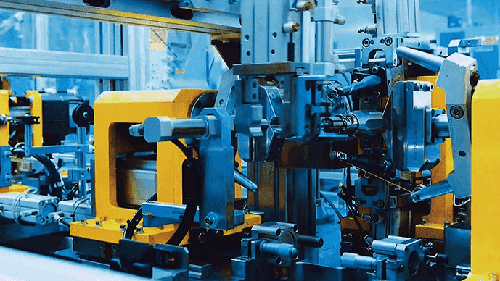
In automated production lines such as automotive manufacturing, electronic assembly, and robotics, displacement sensors are used for robot arm position control, workpiece positioning, and assembly accuracy inspection. UNIVO's miniature LVDT and magnetostrictive sensors adopt non-contact measurement, no mechanical wear, high repeatability, helping to achieve precision manufacturing and intelligent production.
Learn MoreEnergy and Electricity
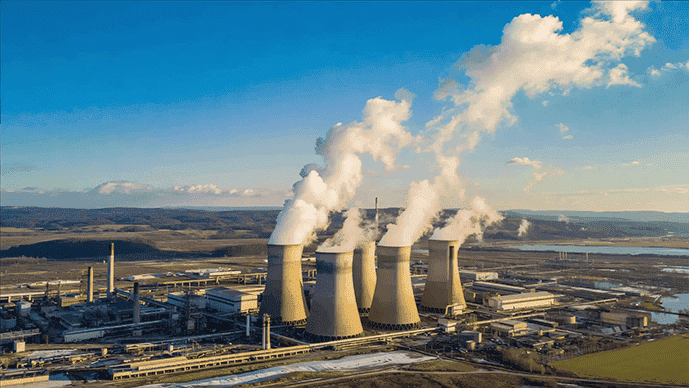
In nuclear power plants, thermal power generation, hydropower generation, and new energy facilities, displacement sensors are used to monitor key parameters such as turbine shaft displacement, reactor pressure vessel expansion, and turbine guide vane opening. UNIVO's LVDT and magnetostrictive displacement sensors feature high temperature resistance, radiation resistance, explosion-proof characteristics, and can operate stably for a long time in harsh environments, providing reliable guarantee for the safety and efficiency of energy equipment.
Learn MoreNuclear Energy and Radiation
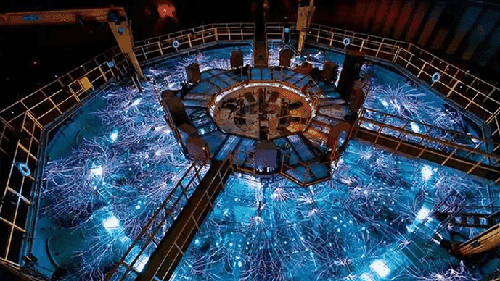
In radiation environments such as nuclear reactor control rod drive mechanisms, fuel rod positioning, and nuclear waste treatment, displacement sensors require radiation resistance, high temperature tolerance, and long-term stability. UNIVO's customized LVDT sensors adopt radiation-resistant materials and sealed design, capable of continuous operation in high radiation fields, providing accurate position feedback for safe operation of nuclear facilities.
Learn MoreAerospace
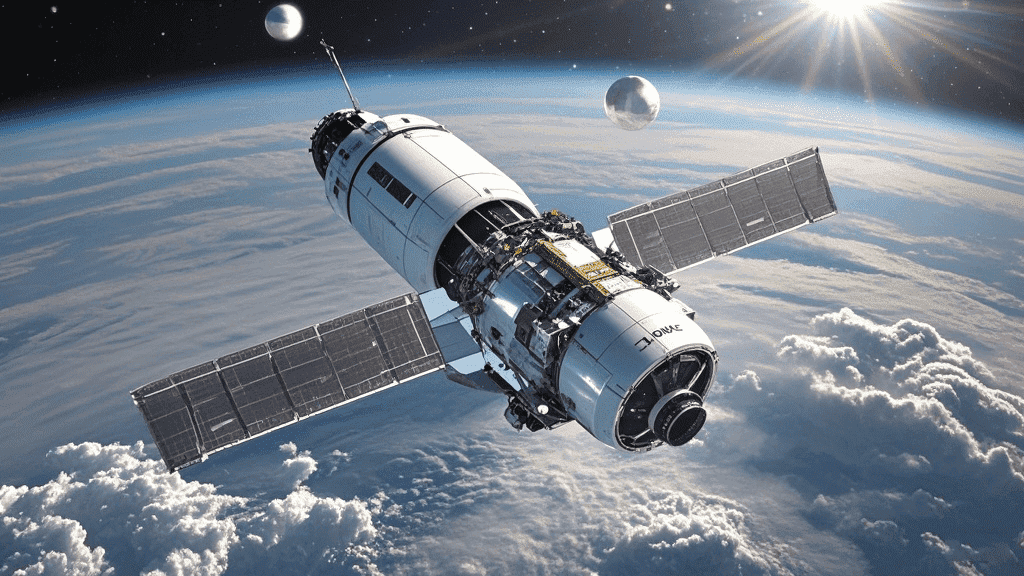
In critical applications such as landing gear retraction, engine nozzle actuator position feedback, and UAV surface control, high-reliability displacement sensors are required. UNIVO provides customized RVDT and LVDT sensors for the aerospace field, featuring lightweight, high and low temperature resistance, and shock resistance, meeting stringent aviation standards and long-life requirements.
Learn MoreOil and Gas
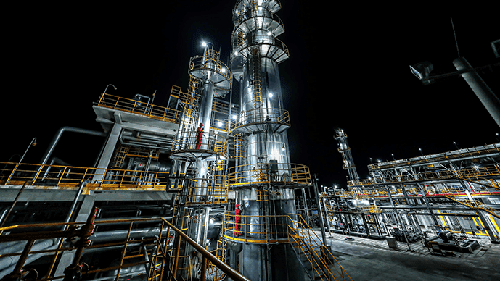
In onshore and offshore oil and gas drilling, pipeline transportation, and refining, displacement sensors are used for valve position monitoring, pipeline expansion measurement, and drilling platform structural displacement detection. UNIVO's LVDT displacement sensors feature explosion-proof, corrosion resistance, and wide temperature operation, suitable for flammable, explosive and corrosive environments, providing reliable support for safety and automation in the oil and gas industry.
Learn MoreUnderwater and Deep Sea

In applications such as deep-sea exploration, underwater robots (ROV/AUV), and subsea pipeline monitoring, displacement sensors must withstand high pressure, seawater corrosion, and long-term maintenance-free requirements. UNIVO's pressure-resistant sealed LVDT sensors feature special alloy housing and fully sealed design, capable of operating in deep-sea underwater environments, providing precise measurement for position control and structural monitoring of underwater equipment.
Learn MoreFree core displacement sensor
Series- • Split structure
- • Non-contact measurement
- • Fully sealed metal casing
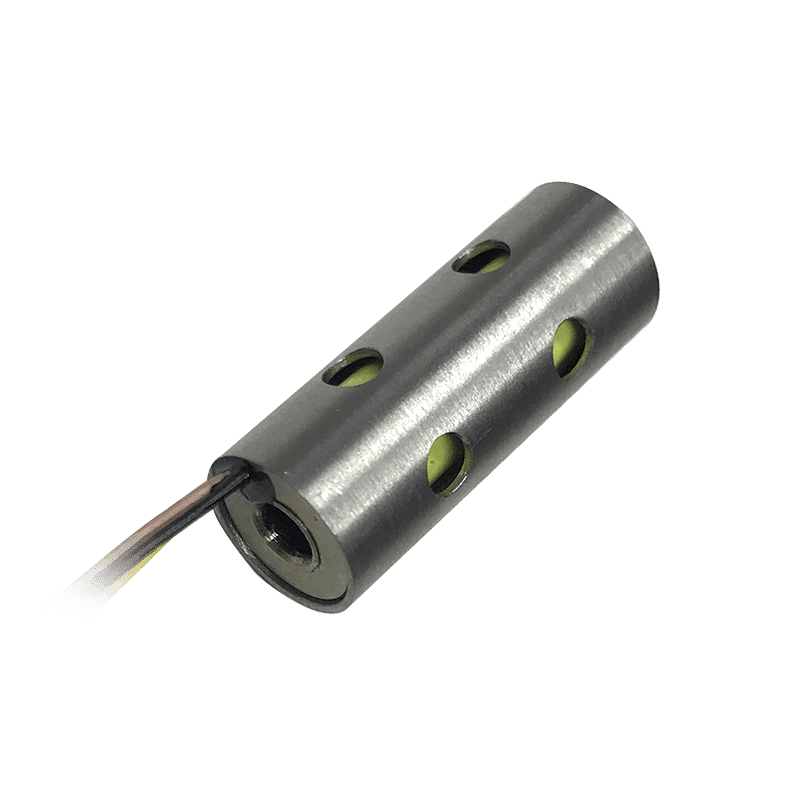 UM-375 series high temperature and high pressure displacement sensor
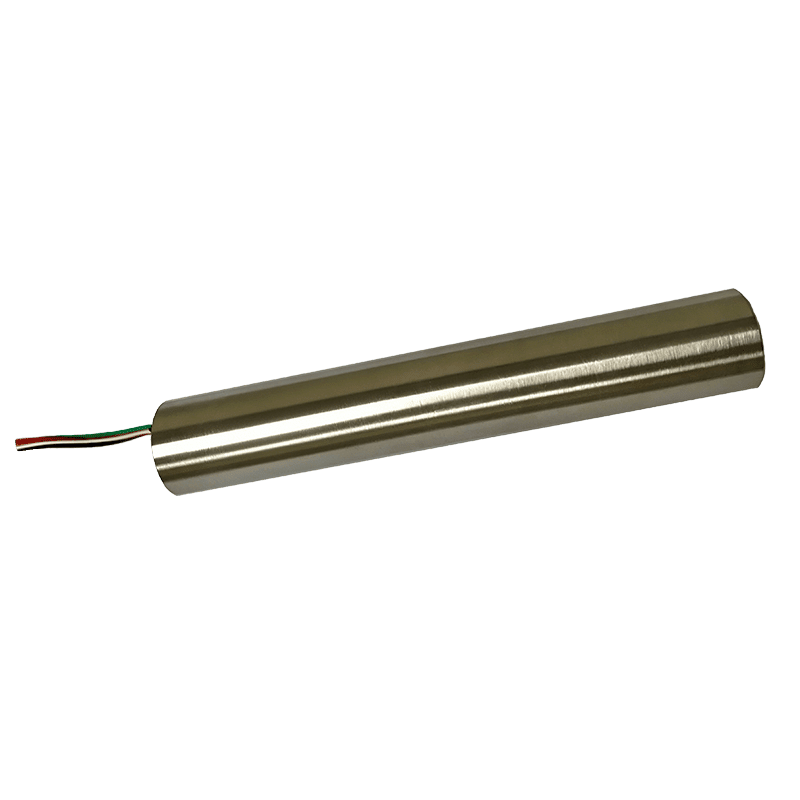 UR-812 series universal displacement sensor
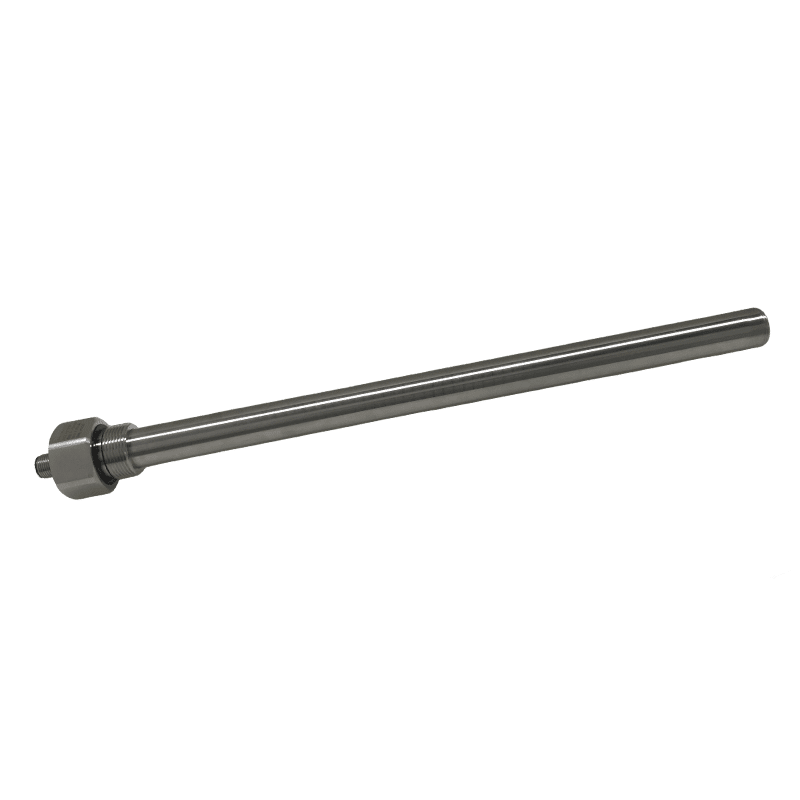 UHP-190 series universal LVDT displacement sensor
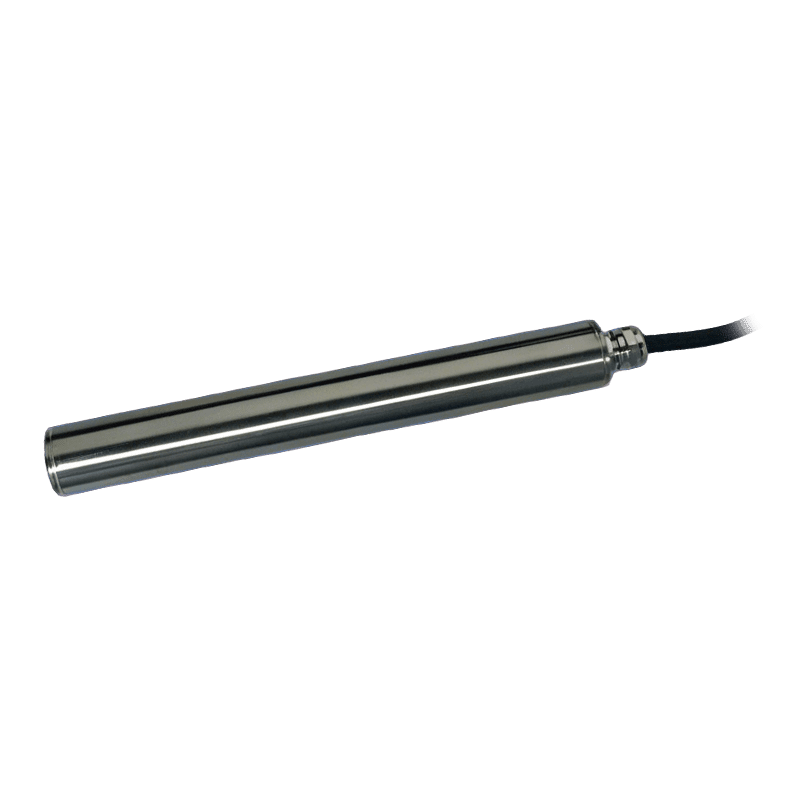 UPR-190 series universal LVDT displacement sensor
Rebound core displacement sensor
Series- • Spring rebound structure
- • High precision linear bearings
- • Three layer shielding design
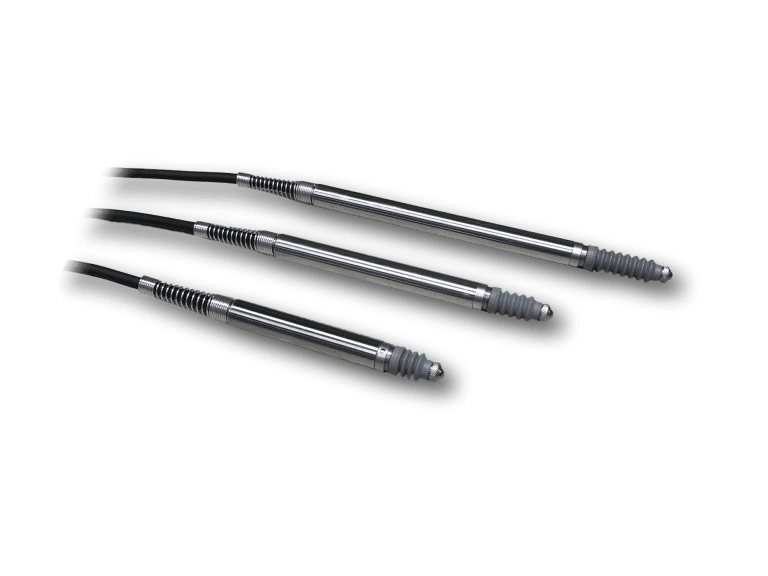 UMBB-315 series pen displacement sensor
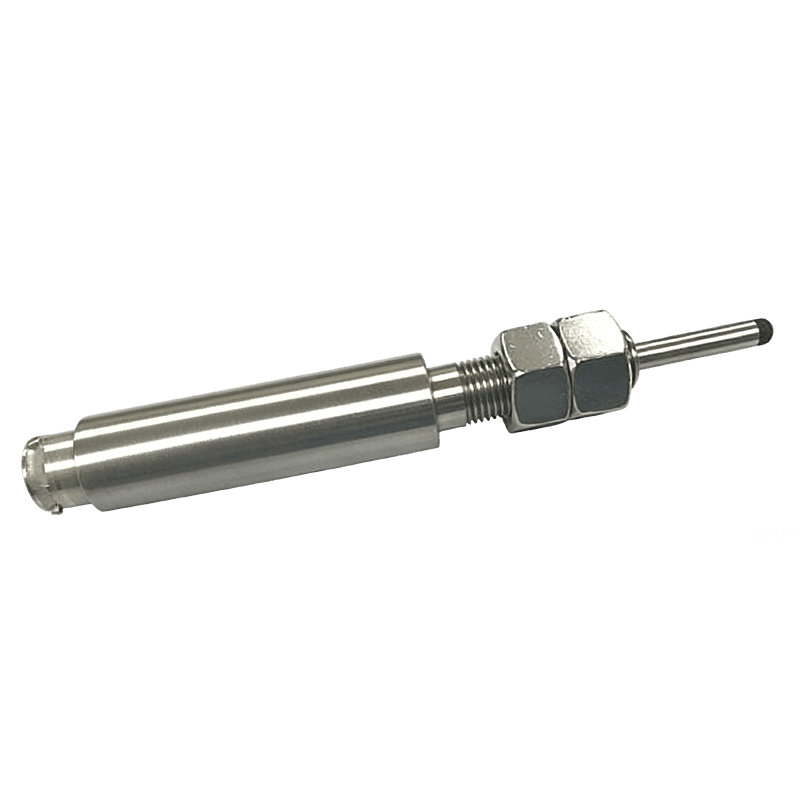 UGA-750 series universal displacement sensor
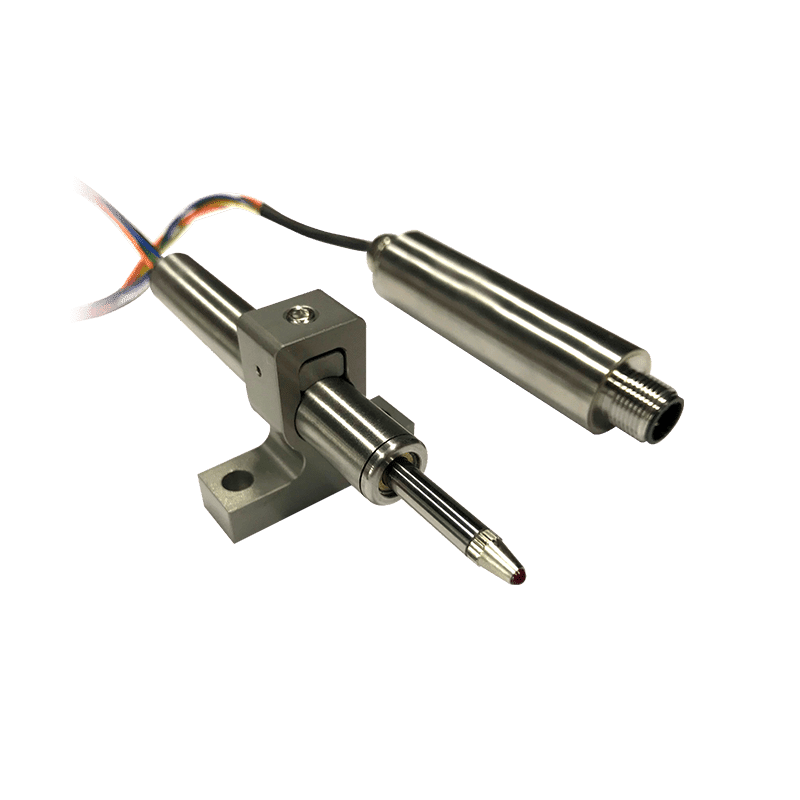 UPG-120 series rebound displacement sensor
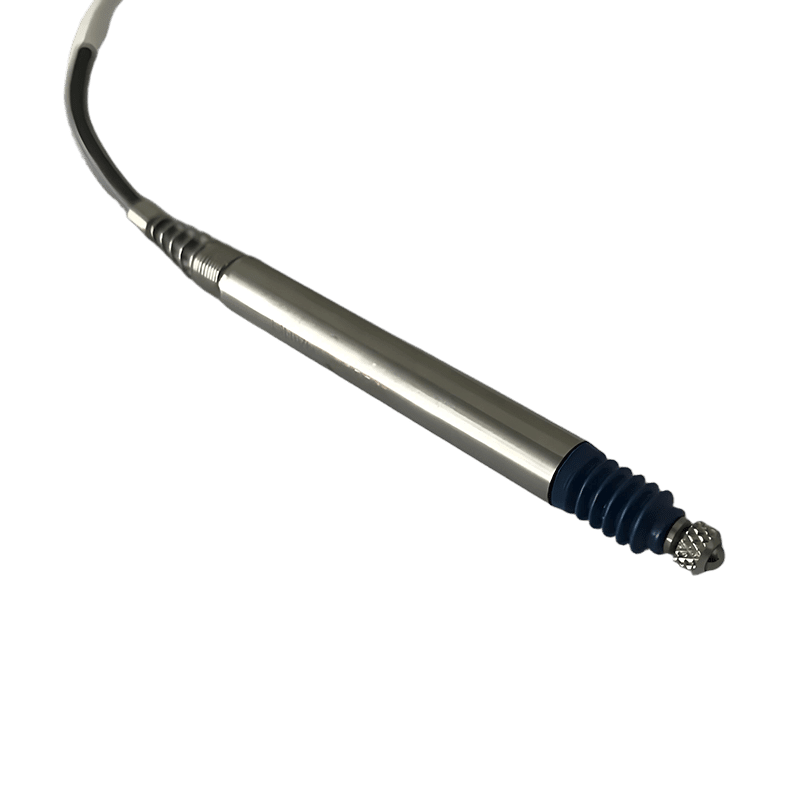 UMBB-080 series pen displacement sensor (digital output)
Customized displacement sensor
Series- • Specially designed for specific devices
- • Targeted design based on actual situation
- • Adapt to harsh environments
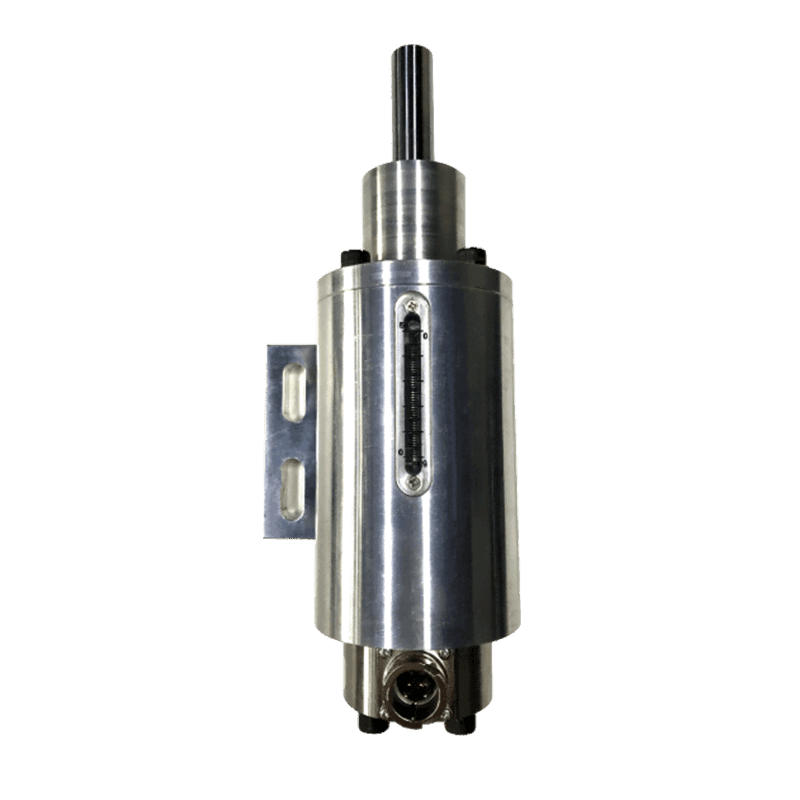 UPSW-VM600 expansion displacement sensor
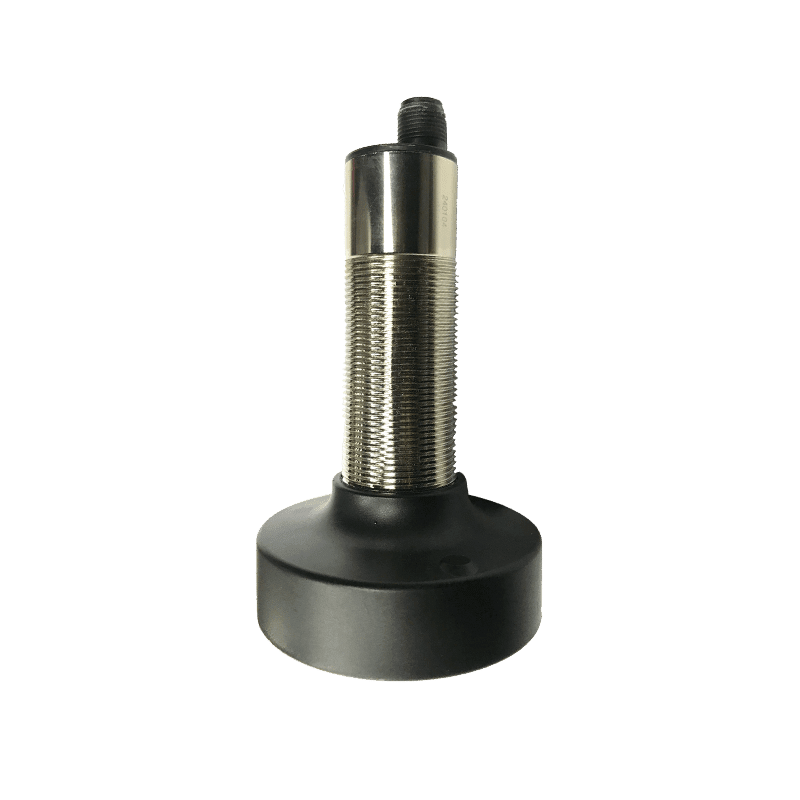 UPWC-BX60 ultrasonic displacement sensor
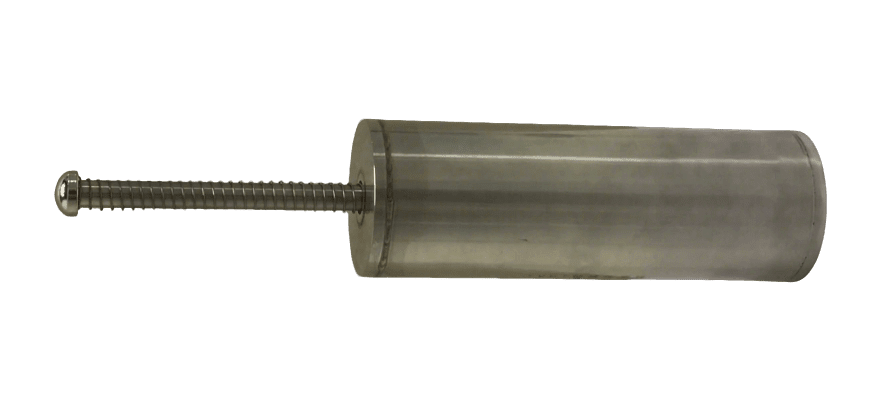 UPSD-360 series valve LVDT displacement sensor
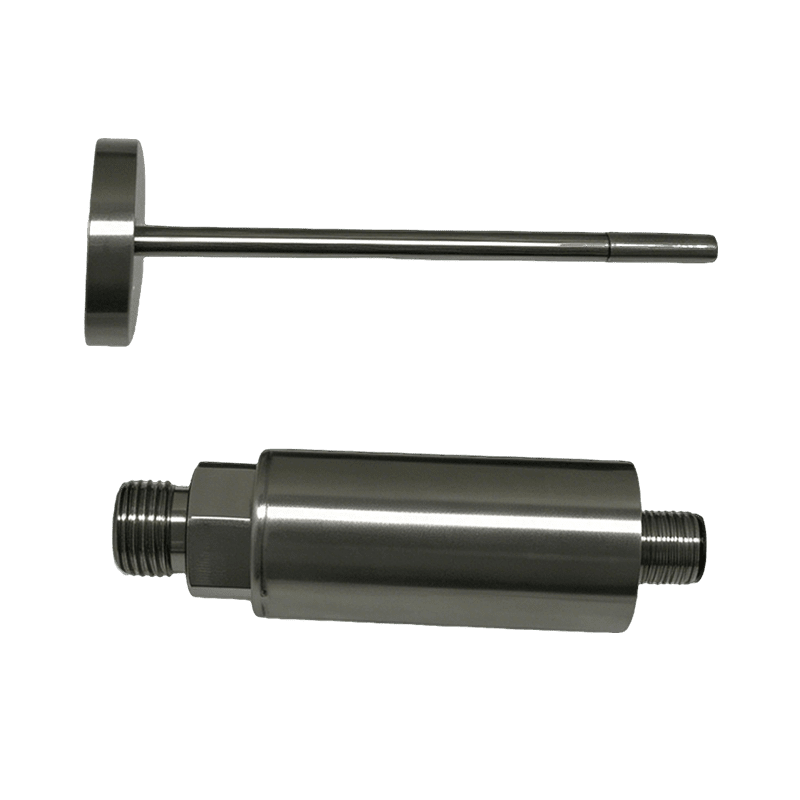 UPSD-270 series valve LVDT displacement sensor
Special application displacement sensor
Series- • High temperature resistance
- • Radiation resistance
- • Suitable for extreme environments
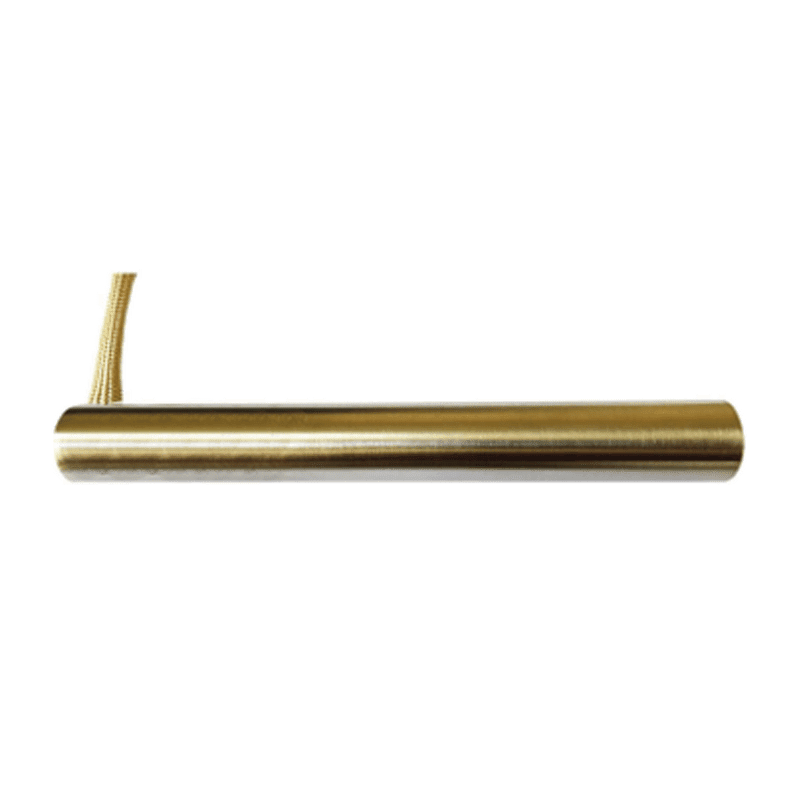 UHT-1000 radiation resistant LVDT displacement sensor
UM-375 series high temperature and high pressure displacement sensor
UHT-1000 radiation resistant LVDT displacement sensor
UM-375 series high temperature and high pressure displacement sensor
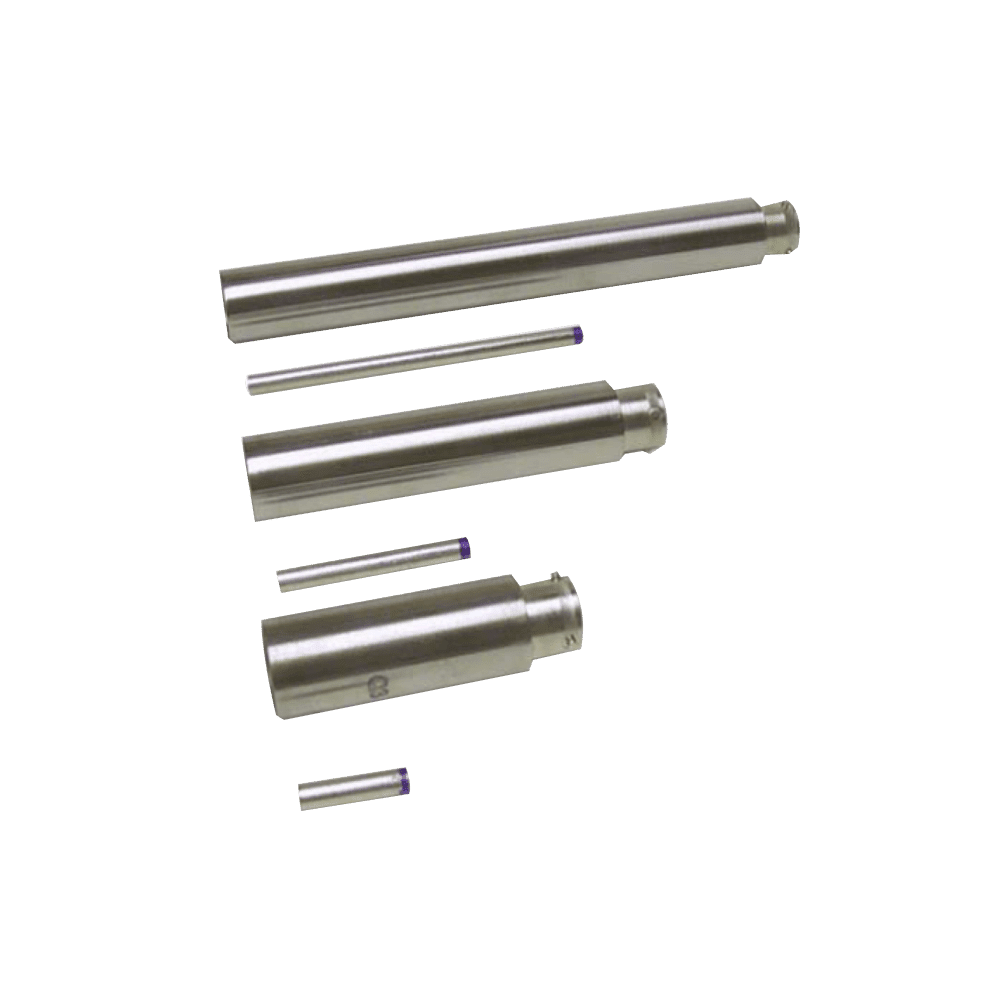 UHA-750 series universal displacement sensor
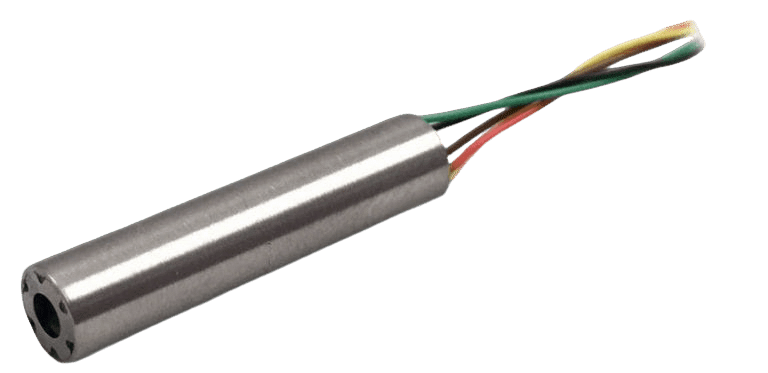 UN-188 series miniature displacement sensor
Solution
Expansion displacement sensor: Solution for thermal expansion monitoring and real-time displacement monitoring of oil pipeline
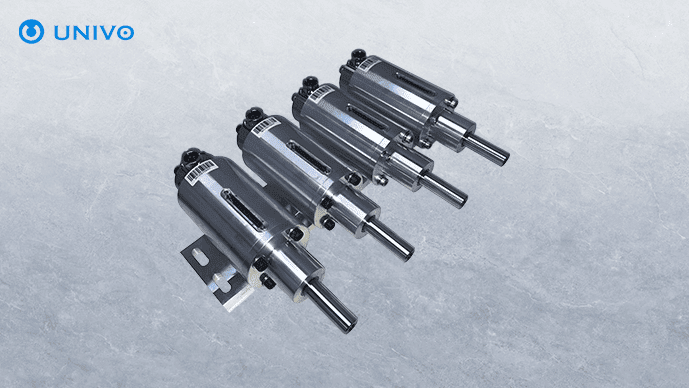
- During the transportation of high-temperature medium, the oil pipeline body undergoes significant thermal expansion due to heating. The metal material expands linearly as temperature rises, resulting in axial elongation of the pipeline; it contracts when temperature drops. The repeated process of thermal expansion and contraction generates thermal stress within the pipeline system. If the stress cannot be effectively released, it may lead to weld cracking, support structure failure, flange connection loosening, and other safety hazards. In long-distance oil pipelines, multiple factors such as temperature fluctuation, pressure variation, and soil settlement together cause various deformations including bending, misalignment, and support displacement.
- The expansion displacement sensor is a high-precision contact-type measuring device specifically designed to measure displacement of an object caused by temperature change. It converts the mechanical displacement of the measured object into a standard electrical signal and transmits it in real time to the control system, providing data support for pipeline operation status assessment and risk warning. The specific applications of the expansion displacement sensor in oil pipeline systems are described below from three perspectives: real-time monitoring of pipeline thermal expansion, monitoring of pipeline structural deformation and displacement, and safety monitoring of pipelines in hazardous areas.
- Specific scheme
- Real-time monitoring of pipeline thermal expansion and stress release control
- Under high-temperature transmission conditions, the oil pipeline undergoes linear expansion along the axial direction, generating significant thermal displacement. If thermal expansion is restrained, thermal stress will accumulate continuously and may cause local buckling, weld tearing, or support structure failure when exceeding the material's yield strength. The expansion displacement sensor is installed at key nodes of the pipeline to measure axial expansion in real time and feed back displacement data to the control system. The system determines the thermal stress state based on displacement variation trends, triggers an early warning when displacement approaches a safety threshold, or automatically adjusts compensation devices to release stress. This solution is applicable to high-temperature operation scenarios such as long-distance oil transmission trunk lines, refinery process pipelines, and heater inlet and outlet sections. By continuously monitoring thermal expansion behavior, it enables quantitative assessment of thermal stress and prevents structural failure caused by excessive expansion.
- Monitoring of pipeline structural deformation and multi-dimensional displacement
- The displacement issues faced by oil pipelines in operation are not limited to axial thermal expansion. Pipeline support settlement, soil movement, pressure fluctuation, and vibration caused by equipment operation can all lead to multi-dimensional deformations such as bending, misalignment, and support displacement. If these deformations are not detected in time, they will gradually accumulate into structural damage and eventually result in leakage or rupture. Expansion displacement sensors are installed at critical positions including pipeline support points, elbow sections, and flange connections to monitor axial displacement, lateral offset, and vertical settlement respectively. Multiple sensors arranged together can form a pipeline displacement monitoring network, achieving comprehensive perception of the three-dimensional displacement state of the pipeline. The high-resolution displacement data collected by the sensors capture subtle deformations of the pipeline, helping operation and maintenance personnel identify risks at an early stage of problem development and take preventive measures before accidents form. This solution is suitable for buried pipelines in geologically unstable areas, pipelines in crossing sections, and overhead pipelines with settlement risks.
- Pipeline safety monitoring and explosion-proof application in hazardous areas
- A large number of pipeline sections in oil pipeline systems are located in flammable and explosive environments, such as refinery process unit areas, oil depot storage tank areas, and natural gas transmission and distribution networks. Conducting pipeline displacement monitoring in these areas imposes strict requirements on the safety of measurement equipment. Expansion displacement sensors complying with explosion-proof standards are adopted, with housings made of non-magnetic metal materials that pose no spark risk, internal coils using vacuum encapsulation to isolate oxygen from combustible gases, and built-in energy limiting modules to restrict output signal energy within a safe range. The sensors are certified with international explosion-proof certifications such as ATEX and IECEx, enabling safe operation in Zone 1 and Zone 2 hazardous areas containing combustible gases. In high-temperature oil and gas pipelines, explosion-proof expansion displacement sensors detect axial expansion caused by temperature changes in real time, preventing stress concentration that could lead to leakage or rupture. Additionally, such sensors can be used to monitor storage tank liquid levels and valve openings, providing comprehensive displacement monitoring protection for pipeline equipment in hazardous areas.
- Conclusion
- The expansion displacement sensor converts thermal expansion displacement and structural deformation of the pipeline into standardized electrical signals, providing quantitative monitoring means for the safe operation of oil pipelines. In terms of thermal expansion monitoring, the sensor provides real-time feedback of pipeline axial displacement data to support thermal stress release control. In terms of structural deformation monitoring, the multi-dimensional displacement monitoring network achieves comprehensive perception of the three-dimensional state of the pipeline. For hazardous area applications, explosion-proof sensors meet the safety monitoring requirements in flammable and explosive environments.
- The application of expansion displacement sensors promotes the transformation of oil pipeline monitoring from manual inspection to online real-time monitoring, effectively improving the safety and reliability of pipeline operation.
Ultrasonic displacement sensor: Precise positioning and safe guidance solution for aircraft towing into hangar
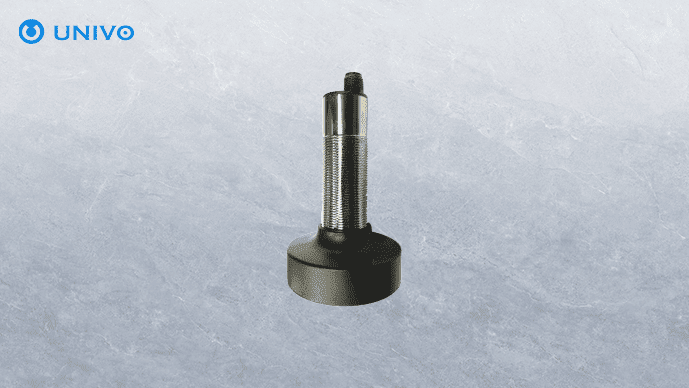
- During the process of aircraft ground towing into a hangar, precise control of the distance between the aircraft and hangar doors, airbridges, and other obstacles is required to avoid collision accidents. Traditional manual guidance methods are limited by visibility and weather conditions, leading to positioning errors and safety hazards. Ultrasonic displacement sensors utilize the principle of sound wave reflection to measure target distance non-contactly, offering advantages such as fast response, strong anti-interference, and immunity to light and color variations, making them suitable for real-time distance measurement and safety warning for aircraft tugs.
- Ultrasonic displacement sensors emit high-frequency sound wave pulses and receive reflected echoes, calculating the distance between the sensor and the measured object based on the propagation time of the sound waves. In the aircraft towing into hangar scenario, sensors are installed on the tug or at fixed positions in the hangar, continuously monitoring the distance between the aircraft nose, wings, or tail and obstacles, and transmitting distance data in real time to the control system. The specific applications are described below from three perspectives: real-time distance measurement and collision avoidance for the tug, automatic sensing and safety interlocking of hangar doors, and multi-sensor fusion positioning and path planning.
- Specific scheme
- Real-time distance measurement and collision avoidance warning for the tug
- When an aircraft tug tows an aircraft into a hangar, the driver needs to pay attention to both the forward path of the tug and the rear aircraft attitude, with limited visibility, posing a collision risk. Ultrasonic displacement sensors are installed on the front and rear bumpers and sides of the tug, forming an surrounding detection area. The sensors continuously measure the distance between the tug and hangar equipment, walls, and other vehicles. When the distance falls below a safety threshold, the system emits an audible and visual alarm and can automatically trigger deceleration or braking. Additionally, sensors installed at the rear of the tug monitor the relative displacement between the aircraft's nose landing gear and the tug, preventing damage to the landing gear caused by excessive steering or sudden speed changes. This solution is applicable to routine hangar towing operations for various civil aviation and military aircraft, significantly reducing collision accidents caused by human operational errors.
- Automatic sensing and safety interlocking of hangar doors
- During the opening or closing of large hangar doors, if the aircraft has not fully entered or exited, severe collision between the door body and the aircraft structure may occur. Ultrasonic displacement sensors are installed on the door frame columns and lintel on both sides of the hangar door, forming a horizontal and vertical detection light curtain. When the aircraft is being towed into the hangar, the sensors monitor in real time the distance between the aircraft's highest point, widest point, and the door frame. If the aircraft has not completely passed and the door receives a closing command, the system automatically interlocks, preventing door movement and issuing a prompt. Furthermore, the sensors can detect whether there are personnel or obstacles on the door operating track, ensuring safe door movement. This solution enhances the automation and safety level of hangar doors and is suitable for civil airport maintenance hangars, airline base hangars, and military air stations.
- Multi-sensor fusion positioning and path planning
- The interior space of large hangars is complex, with various fixed and movable obstacles such as work platforms, tool cabinets, and firefighting equipment. Relying solely on the driver's vision makes it difficult to achieve precise positioning for entry. By arranging multiple ultrasonic displacement sensors on hangar interior walls, columns, and in front of key obstacles, combined with positioning sensors on the tug, a three-dimensional spatial map of the hangar interior can be constructed. The control system receives distance data from each sensor in real time, calculates the precise position and attitude of the aircraft, and displays the relative relationship between the aircraft and surrounding obstacles graphically on a display screen in the cab. When the aircraft deviates from the safe path, the system automatically prompts correction directions. This solution assists the tug driver in completing precise entry into the hangar, especially suitable for towing operations at night or under low visibility conditions, as well as parking large wide-body passenger aircraft in narrow hangars.
- Conclusion
- Ultrasonic displacement sensors provide reliable distance monitoring for aircraft towing into hangars through non-contact ranging principles. In terms of tug collision avoidance, the sensors achieve all-round real-time distance measurement and warning. In terms of hangar door control, the sensors achieve safety interlocking between the door body and the aircraft. In terms of positioning and navigation, the multi-sensor fusion system assists drivers in precise path planning.
- The application of ultrasonic displacement sensors effectively reduces the collision risk during ground towing operations and improves the safety and efficiency of hangar dispatch.
Boiler online expansion monitoring system: Real-time monitoring and early warning solution for boiler thermal expansion
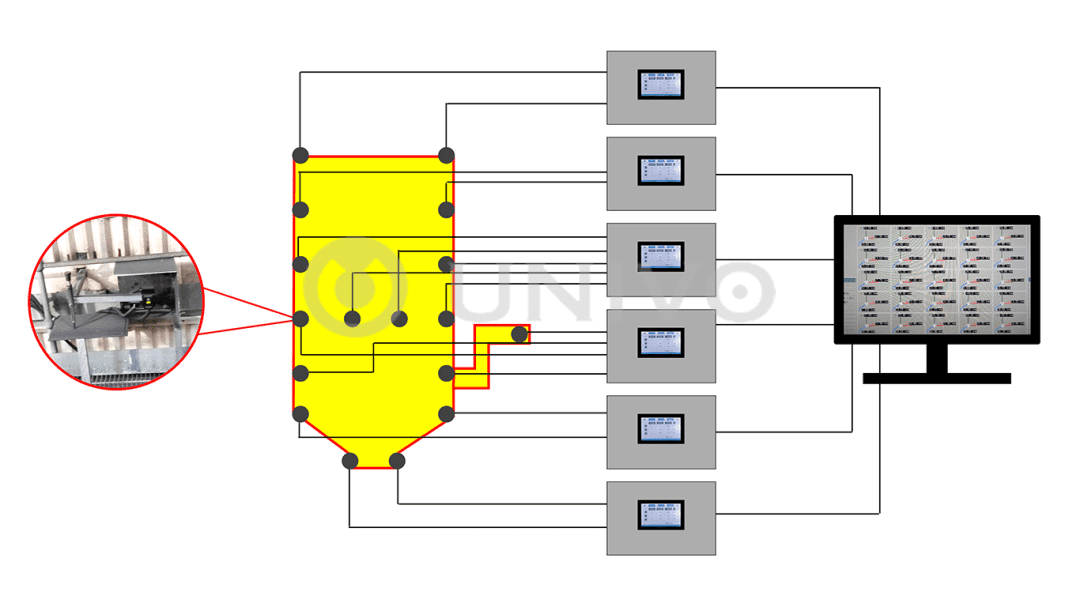
- During the start-stop and load change processes of industrial boilers, components such as the furnace body, drum, pipelines, and heating surfaces undergo significant thermal expansion and contraction due to temperature variations. If expansion is obstructed or components expand inconsistently, enormous thermal stress will be generated, potentially leading to boiler body deformation, weld cracking, pipeline leakage, or even tube burst accidents. Traditional manual inspection methods cannot continuously monitor expansion amounts and are unable to detect transient anomalies. The boiler online expansion monitoring system collects expansion displacement data at key positions of the boiler in real time by deploying displacement sensors, providing a basis for operation control and maintenance decisions.
- The online expansion monitoring system consists of displacement sensors, a data acquisition module, and host computer software. Displacement sensors are installed at positions such as the boiler drum, headers, water walls, superheater, reheater, and furnace walls, continuously measuring three-dimensional expansion displacement at each point. The system transmits data in real time to the control room, enabling dynamic display of expansion curves, historical trend analysis, and over-limit alarms. The specific applications are described below from three perspectives: expansion monitoring of boiler drum and headers, expansion uniformity monitoring of furnace water walls, and expansion displacement and stress analysis of pipeline systems.
- Specific scheme
- Expansion monitoring and deviation warning for boiler drum and headers
- The drum and headers are key pressure-bearing components of the boiler, and their thermal expansion directly reflects the stability of boiler operation. During the boiler start-up and heating phase, a temperature difference exists between the upper and lower walls of the drum, which may cause drum bending deformation. Displacement sensors are installed at the supports at both ends of the drum and at intermediate positions to monitor vertical expansion and horizontal displacement of the drum. When the difference in expansion between the two sides exceeds a set range, the system issues a deviation warning, prompting operators to adjust the heating rate or perform draining operations. Similarly, expansion displacement monitoring of headers can determine whether the internal medium flow is uniform, preventing header bending or cracking caused by local overheating. This solution is applicable to pulverized coal boilers in power stations, circulating fluidized bed boilers, and waste heat boilers, optimizing start-stop curves through real-time expansion data and extending the fatigue life of drums and headers.
- Expansion uniformity monitoring and deformation prevention control for furnace water walls
- The furnace water walls bear high-temperature flames and flue gas erosion during boiler operation, resulting in significant thermal expansion. If a certain area of the water wall is unevenly heated or improperly constrained by rigid beams, expansion obstruction occurs, leading to water wall tube bending, cracking, or fin weld cracking. Multiple displacement sensors are arranged in the vertical and horizontal directions of the water wall to monitor expansion at different elevations and lateral positions respectively. The system compares the real-time expansion values at each measuring point with theoretical calculation values to determine whether expansion is uniform. When expansion lag or advancement is detected in a certain area, the system prompts inspection of the rigid beam guide devices in that area or removal of ash and slag accumulation. This solution helps maintain the expansion freedom and structural integrity of the water wall, preventing leakage accidents caused by uneven expansion, and is applicable to large power station boilers and industrial boilers.
- Expansion displacement and stress analysis for pipeline systems
- A large number of steam pipelines, feedwater pipelines, and blowdown pipelines connected to the boiler body undergo axial and lateral displacement during temperature changes. If pipeline supports and hangers are improperly set or stuck, obstructed displacement will generate additional stress, and long-term action may lead to fatigue cracking of pipeline welds. Displacement sensors are installed at key support points of pipelines, near elbows, and at wall penetration points to monitor actual displacement amount and direction of pipelines. The system combines displacement data with pipeline stress analysis models to assess pipeline safety under current operating conditions. When abnormal displacement (such as insufficient displacement or direction deviation) is detected, the system prompts inspection of support and hanger status or pipeline insulation conditions. This solution enables online assessment of the expansion state of boiler pipeline systems, providing quantitative basis for preventive maintenance, and is applicable to high-temperature and high-pressure steam pipelines and reheater pipelines.
- Conclusion
- The boiler online expansion monitoring system provides critical expansion data support for safe boiler operation through real-time monitoring by displacement sensors. In terms of drum and header monitoring, the system achieves expansion deviation warning and optimizes start-stop control. In terms of water wall monitoring, the system judges expansion uniformity and prevents heating surface deformation. In terms of pipeline system monitoring, the system evaluates displacement and stress to guide support and hanger maintenance.
- The application of this system promotes the transformation of boiler maintenance from periodic to condition-based maintenance, effectively reducing the risk of unplanned shutdowns caused by thermal expansion issues.
Nuclear turbine high-pressure cylinder differential expansion redundant equipment: Real-time monitoring and redundant protection solution for high-pressure cylinder differential expansion
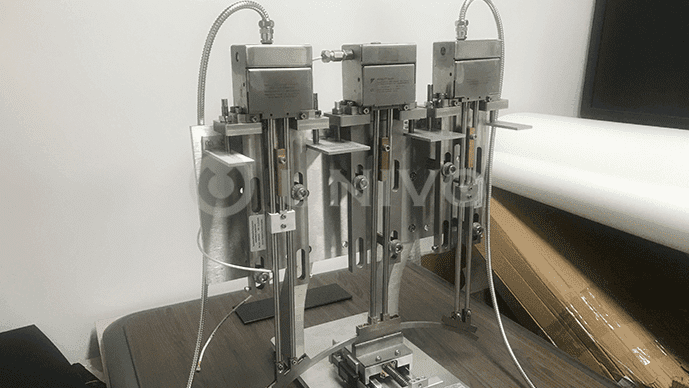
- During the start-stop and load change processes of nuclear turbines, the rotor and cylinder undergo different degrees of expansion or contraction due to differences in thermal inertia and heat dissipation conditions, resulting in relative displacement difference between the rotor and cylinder, known as differential expansion. Excessive positive or negative differential expansion may cause rubbing between rotating and stationary parts, seriously threatening turbine safety. As an important module of nuclear turbines, the reliability of differential expansion monitoring for the high-pressure cylinder is directly related to the operational safety of the unit. To improve the availability and fault tolerance of the monitoring system, adopting redundantly configured differential expansion measurement equipment has become a necessary choice in engineering practice.
- The high-pressure cylinder differential expansion redundant equipment consists of two independent bracket-type displacement measuring instruments and one verification device. The bracket-type displacement measuring instrument operates based on the eddy current measurement principle. It uses a slide table to adjust the position of the simulated convex ring (protruding ring) of the turbine high-pressure cylinder, thereby simulating the displacement amount of the main shaft during actual operation. When the convex ring moves, it drives the magnetic probe foot of the measuring instrument to displace, and the displacement is transmitted through a long swing arm, causing the displacement measured by the eddy current displacement sensor probe head to change. The signal is then conditioned and amplified by the preprocessor to output the required displacement amount. The two measuring instruments work in parallel, and their output signals are sent to the verification device for comparison and logic judgment. When the deviation between the two signals exceeds a set threshold, the system issues a sensor fault alarm and automatically selects the credible signal as output. The specific applications are described below from three perspectives: redundant measurement and signal verification, simulation testing and calibration, and dustproof/waterproof and environmental adaptability.
- Specific scheme
- Redundant measurement and signal verification
- In nuclear turbine high-pressure cylinder differential expansion monitoring, a single sensor may experience signal loss or deviation due to probe damage, cable breakage, or preprocessor failure, leading to false tripping or protection failure. The redundant equipment is equipped with two completely independent bracket-type displacement measuring instruments, installed on both sides of the high-pressure cylinder or at different angles at the same measuring point. The two measuring instruments monitor the same differential expansion value simultaneously, and their respective output signals are transmitted independently to the verification device. The verification device has built-in comparison logic and calculates the difference between the two signals in real time. When the difference is less than the set threshold, the system considers both signals normal and outputs the average or main channel value. When the difference exceeds the threshold, the system determines that one channel has failed, automatically switches to the stable signal, and outputs a fault alarm. This solution significantly improves the reliability of the differential expansion monitoring system, preventing misjudgment or missed judgment caused by single-point failures, and meets the instrumentation redundancy and fail-safe requirements of the nuclear industry.
- Simulation testing and calibration
- During the shutdown maintenance period of a nuclear unit, comprehensive testing and calibration of the differential expansion monitoring system are required to verify the accuracy of sensors and signal channels. The verification device integrated in the redundant equipment has a simulated signal generation function, which can independently produce standard differential expansion analog signals and inject them into the signal channels of the two measuring instruments respectively to check the working status of preprocessors, signal cables, and acquisition cards. Additionally, the bracket-type displacement measuring instrument itself is equipped with a slide table adjustment mechanism. By manually or electrically changing the position of the simulated convex ring to generate a known displacement amount, the sensor's sensitivity and linearity can be calibrated. This solution enables system-level functional testing without removing sensors, significantly shortening maintenance time and ensuring that the measuring instruments meet accuracy requirements during the next operation cycle.
- Dustproof, waterproof, and high-reliability design
- The turbine hall of a nuclear power plant has harsh environmental factors such as high temperature, oil mist, water vapor, and vibration, imposing strict requirements on the protective performance of differential expansion measurement equipment. The displacement measuring instruments and verification device in the high-pressure cylinder differential expansion redundant equipment are designed with sealed enclosures, achieving IP67 protection rating, preventing dust ingress and short-term water immersion effects. Internal circuit boards are coated with conformal coating to resist moisture and salt spray corrosion. Sensor probes and cables are made of oil-resistant and high-temperature-resistant materials, maintaining stable performance in high-temperature and oily environments over the long term. This equipment can be fully manufactured with domestic components, with a simulated maximum stroke range of 0 to 50 centimeters, measurement accuracy of 1%, and can be adapted to different cylinder sizes according to specific requirements. The high-reliability design ensures that the equipment maintains stable operation during long-term continuous operation of nuclear units, reducing maintenance frequency.
- Conclusion
- The nuclear turbine high-pressure cylinder differential expansion redundant equipment provides a highly reliable solution for differential expansion monitoring through the combination of two independent measuring instruments and a verification device. In terms of redundant measurement, the dual-channel signal comparison and automatic switching mechanism effectively prevent single-point failures. In terms of testing and calibration, the built-in analog signal and slide table adjustment function simplify maintenance procedures. In terms of environmental adaptability, the high protection rating and corrosion-resistant design ensure long-term stability under harsh operating conditions.
- The application of this equipment improves the availability and safety of the differential expansion monitoring system for nuclear turbines, providing important protection for the safe and stable operation of the unit.